 Youth Eco Care
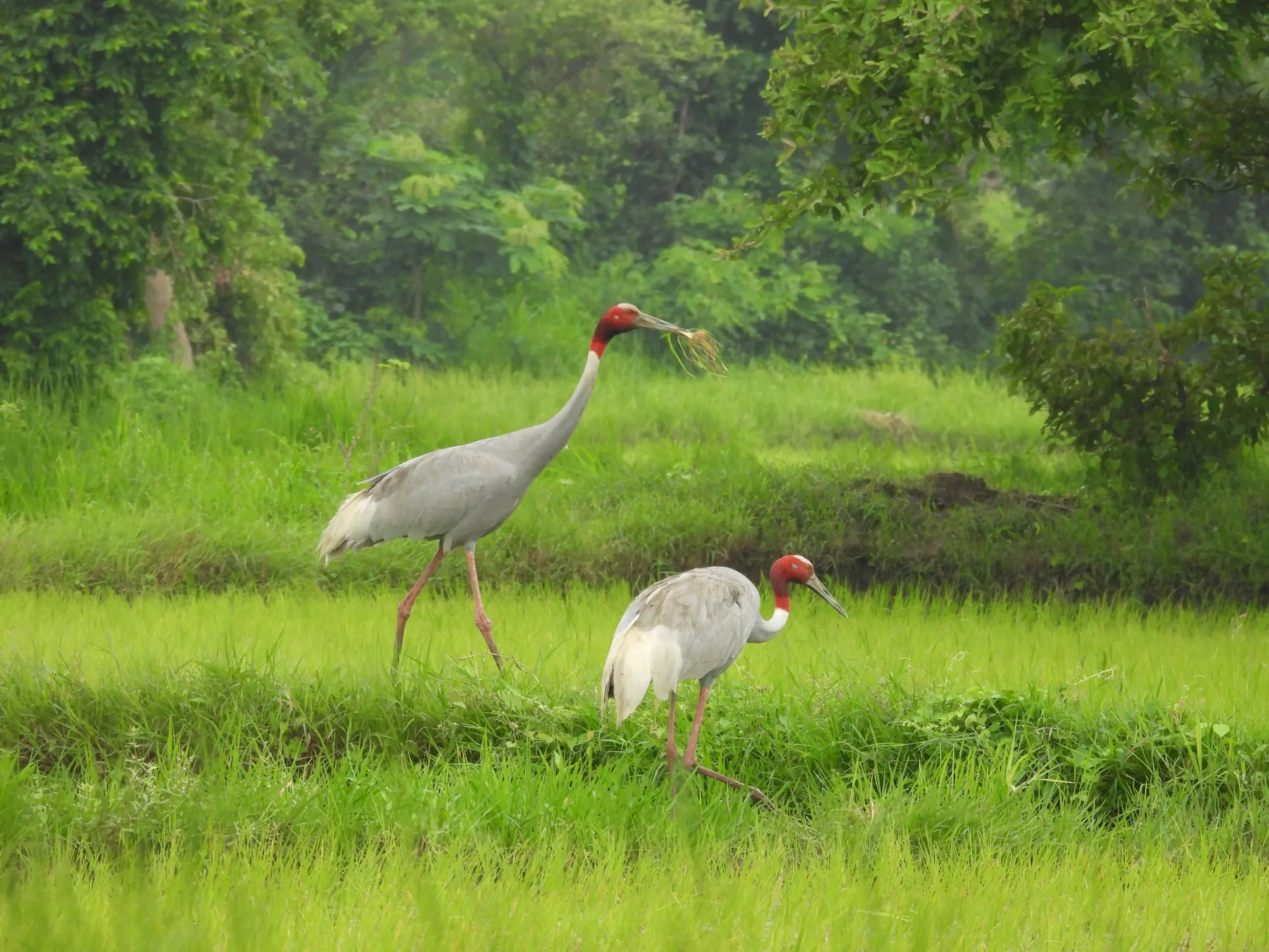
Neighbours in the landscape.
A field-inspired introduction to species and the habitats they use. Species information is educational; photographs are not presented as evidence of a Youth Eco Care wildlife census.
The Sarus Crane
Antigone antigone · IUCN global category: Vulnerable.
The Sarus Crane is the world’s tallest flying bird and a species closely associated with wetlands and agricultural landscapes. In parts of central India, cranes make use of flooded paddy fields during the breeding season.
Conserving a bird in a working landscape involves habitat knowledge, farmer perspectives, nest disturbance prevention and the continued health of wetlands.
Conservation status source ↗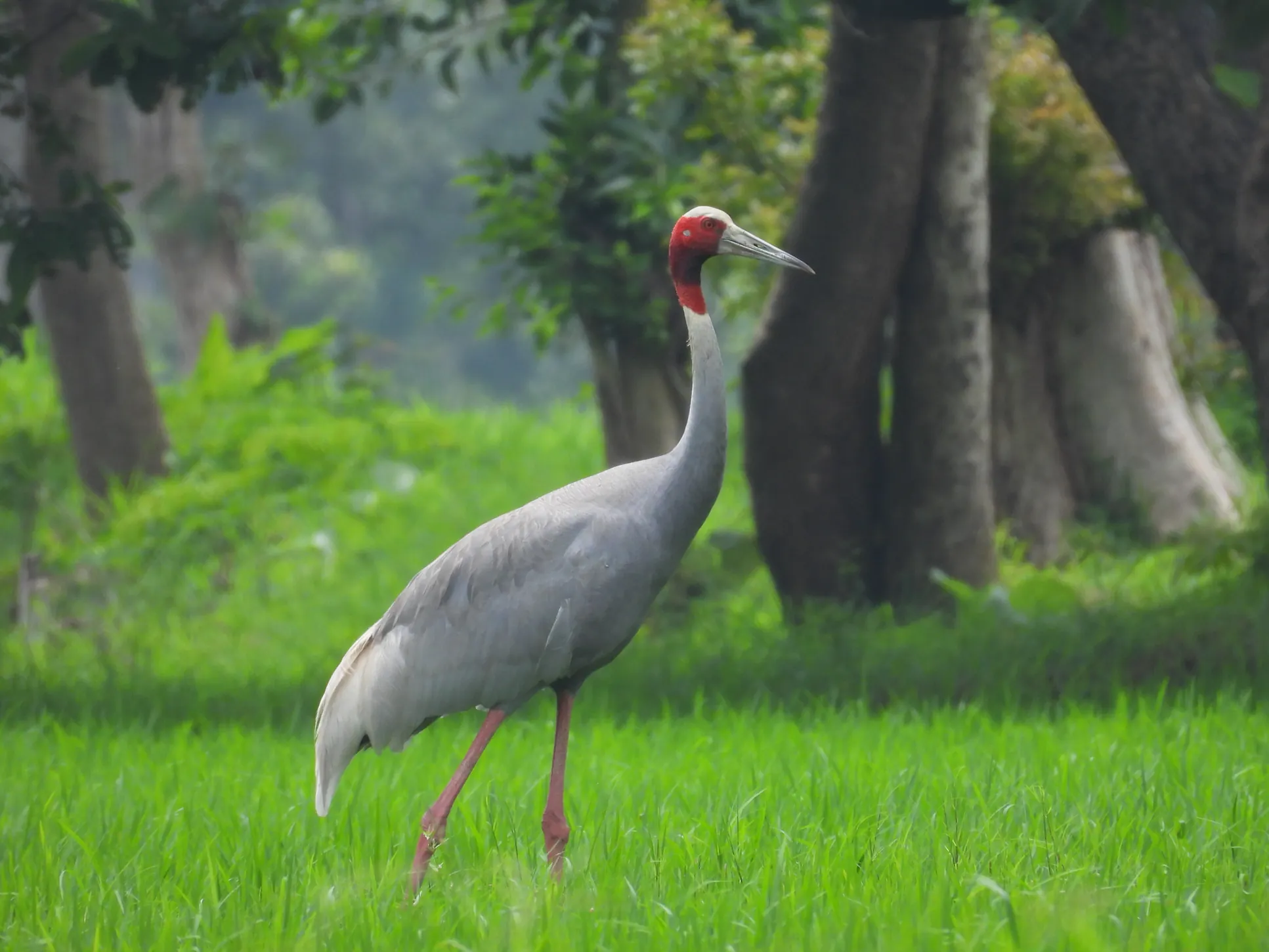
Life around the water.
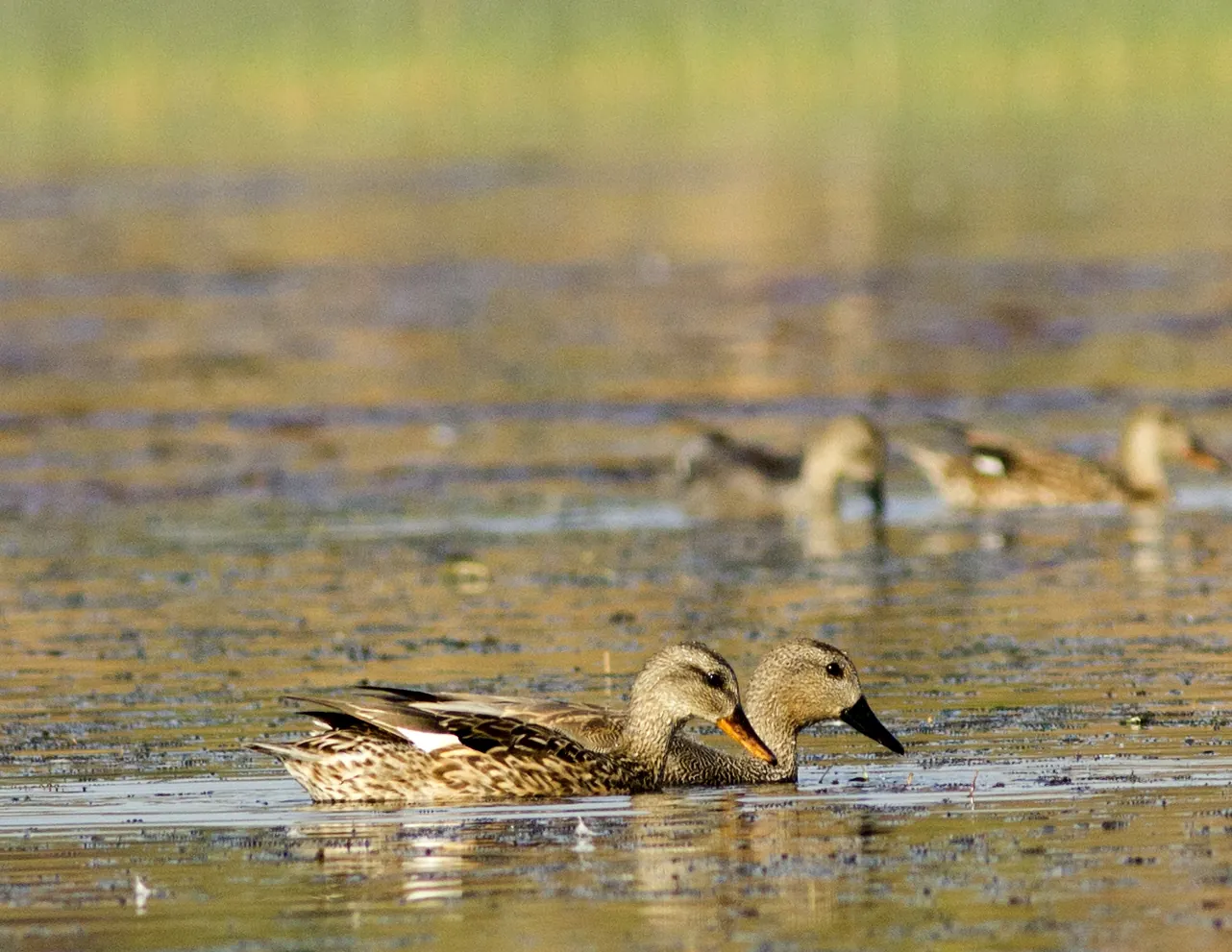
Dabbling ducks
Waterbirds can occupy different feeding niches and depend on a mosaic of shallow and deeper-water habitats.
Explore story ↗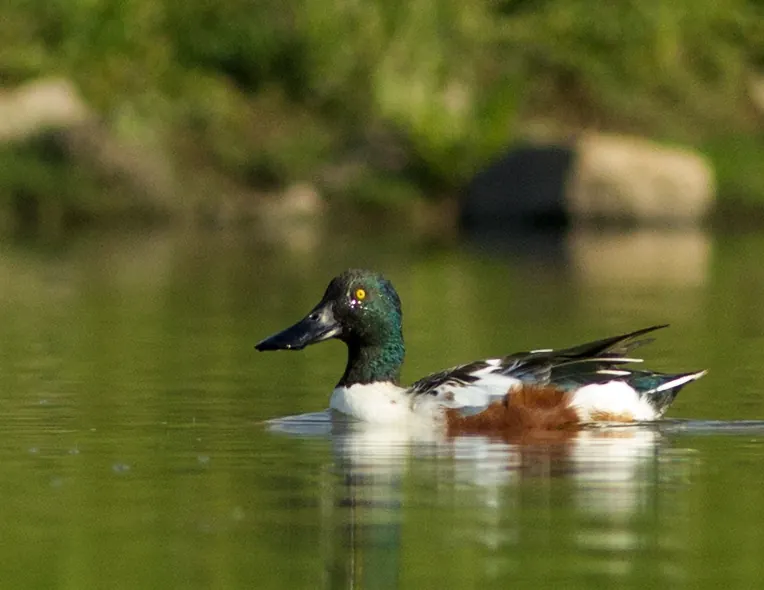
Northern Shoveler
A duck recognised by its broad, spatula-shaped bill, used for filtering food from the water.
Explore story ↗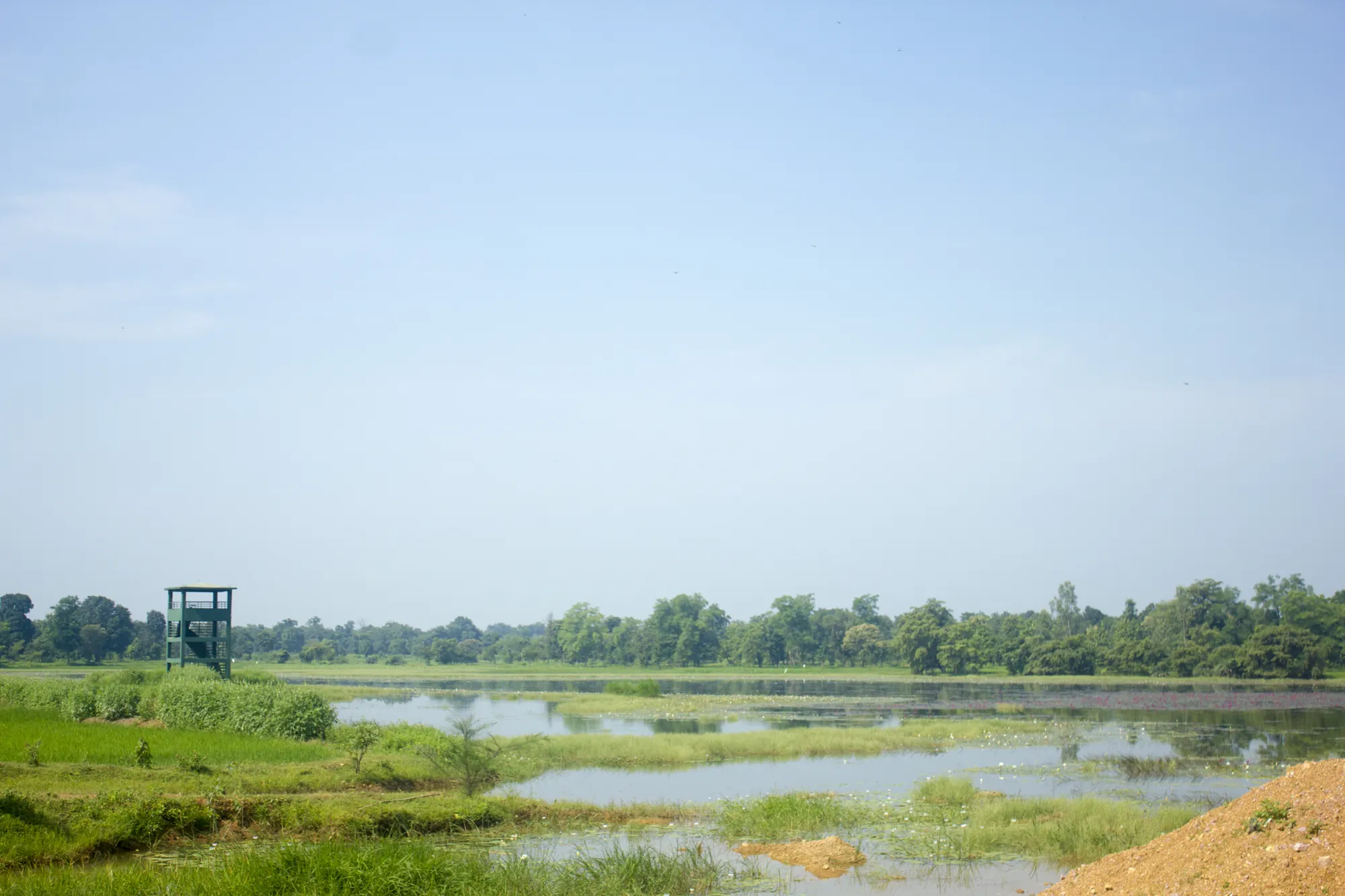
Wetland life
Wetland vegetation, water and seasonal changes create opportunities for wildlife across the year.
Explore story ↗Species descriptions are educational; photograph context and historical activity attribution are treated separately from organisational work.