Youth Eco Care
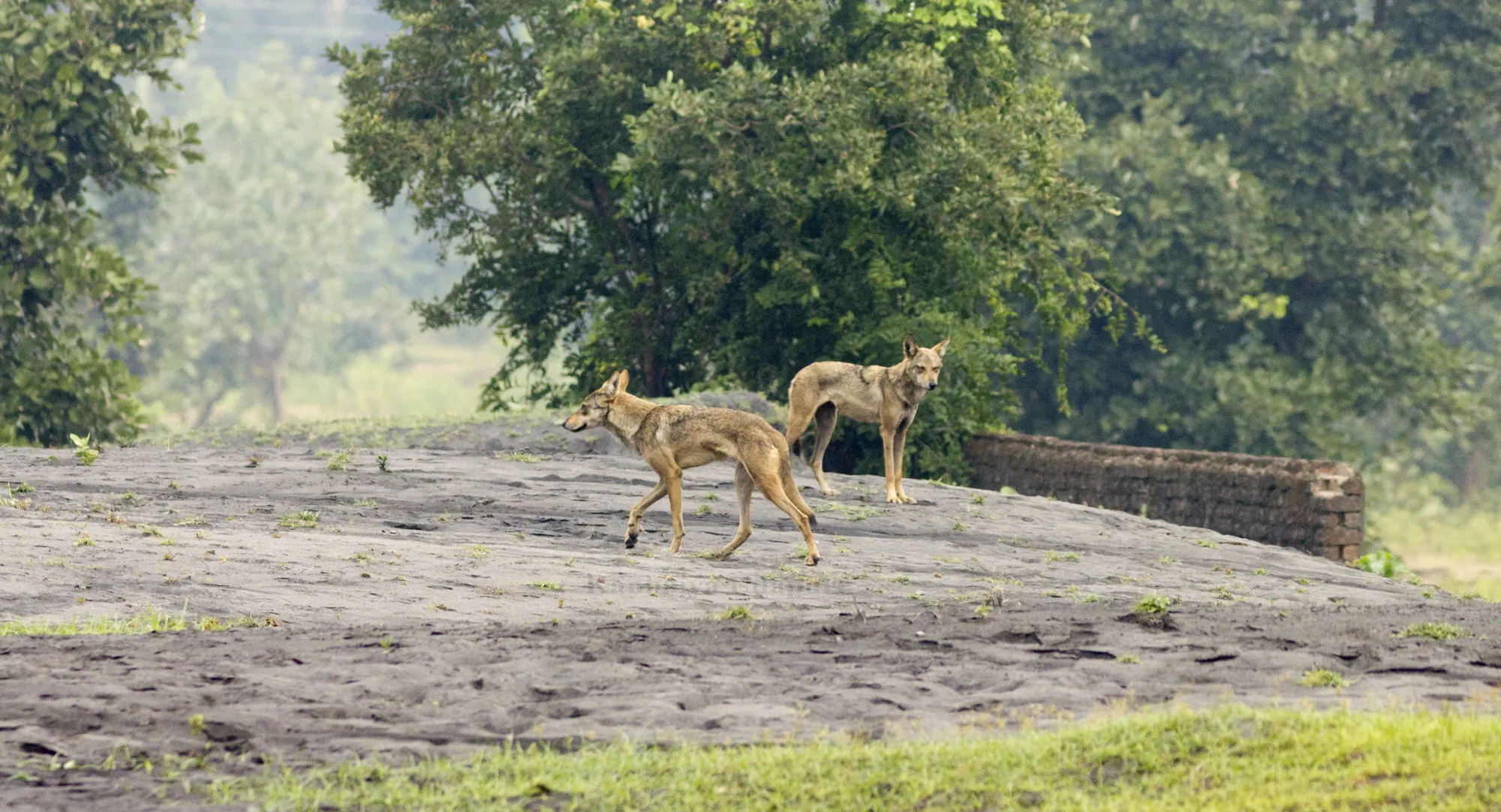
A wider view of conservation.
These are Youth Eco Care’s organisational focus areas and future programme directions. They are not presented here as a list of completed projects.
Sarus Crane conservation
A proposed direction for habitat monitoring, farmer engagement, nest protection coordination and local stewardship in the Balaghat farm-wetland landscape.
Field observations and farmer relationships are especially important wherever crane breeding habitat overlaps cultivated land. Proposed protection measures would require local consultation and the relevant permissions.
Conservation focus / programme direction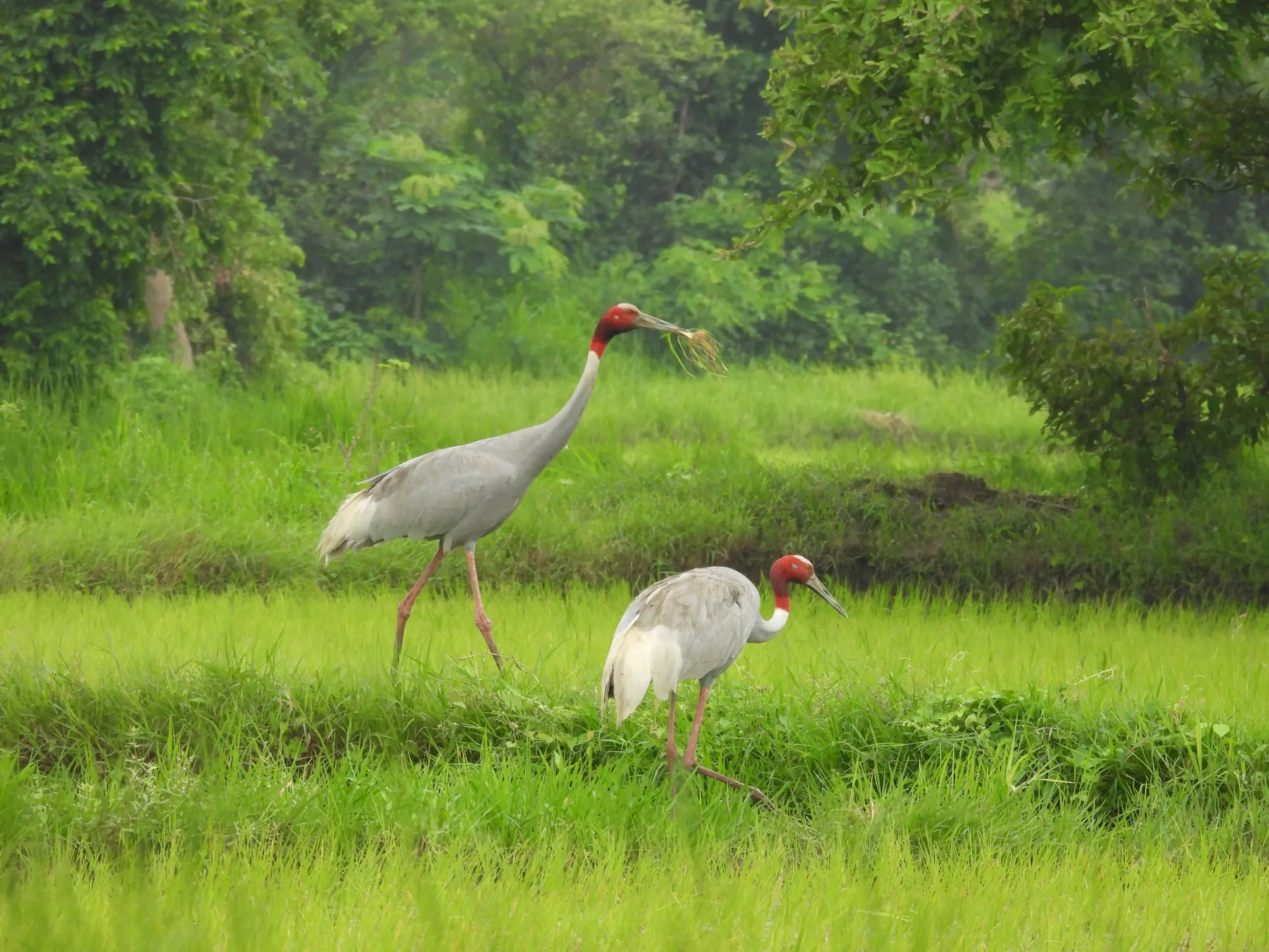
Wetland ecology and restoration
Understanding seasonal water, native aquatic vegetation and habitat functions before planning interventions.
Wetlands differ in depth, hydroperiod and vegetation. Any restoration proposal needs a site-specific assessment, including the needs of people who draw on these waterbodies.
Conservation focus / programme direction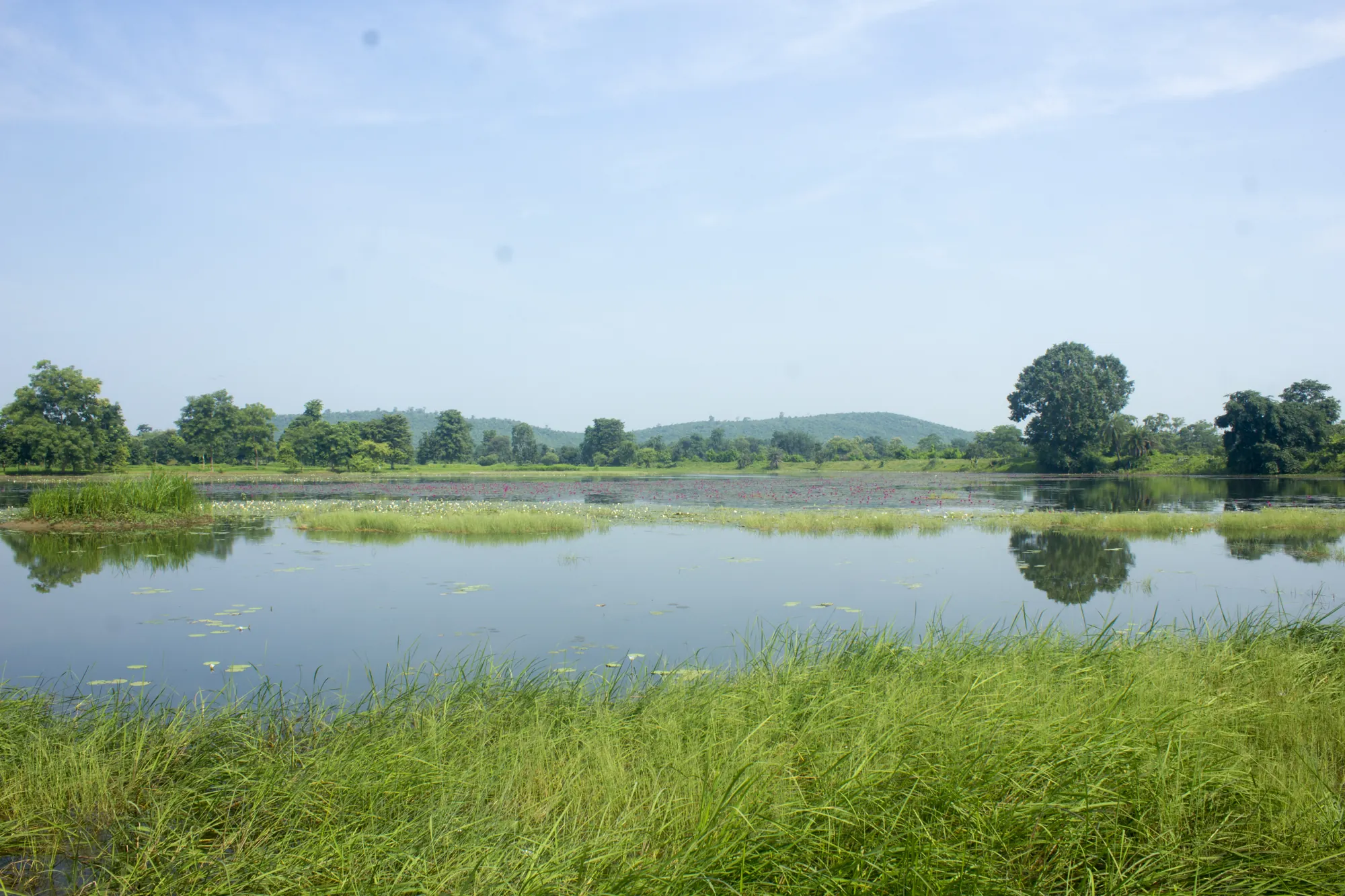
Community-led conservation
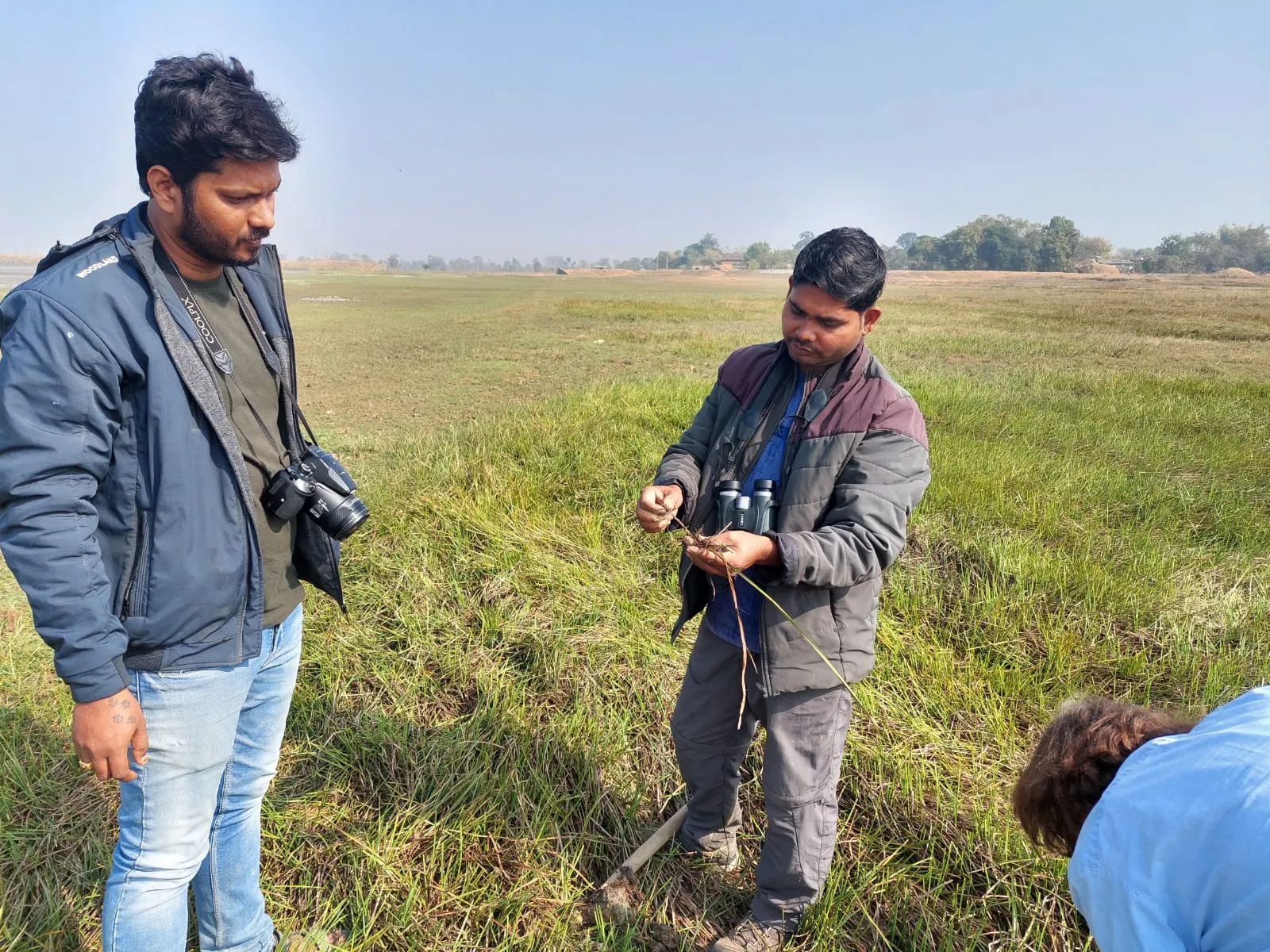
Recognising village institutions, farmers, local knowledge and shared responsibility in conservation planning.
Effective village stewardship depends on listening to fishers, farmers, grazers and other local users, then identifying ways for their perspectives to inform decisions.
Conservation focus / programme direction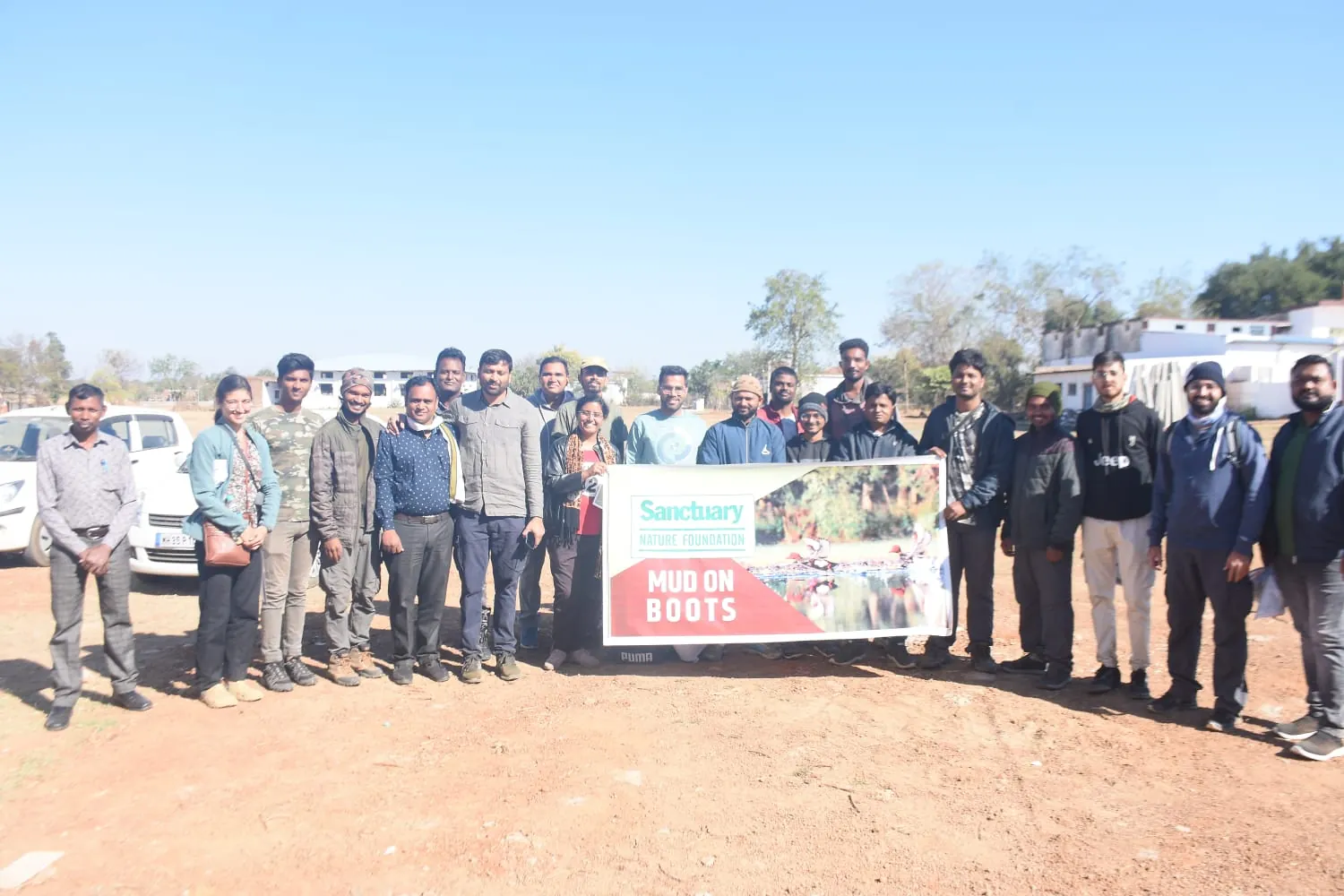
Field monitoring and biodiversity
Supporting an evidence-first understanding of wildlife through field surveys, documentation and responsible observation.
Consistent methods and accurate records help distinguish an occasional sighting from reliable evidence. Future monitoring priorities should be developed around clear questions and protocols.
Conservation focus / programme direction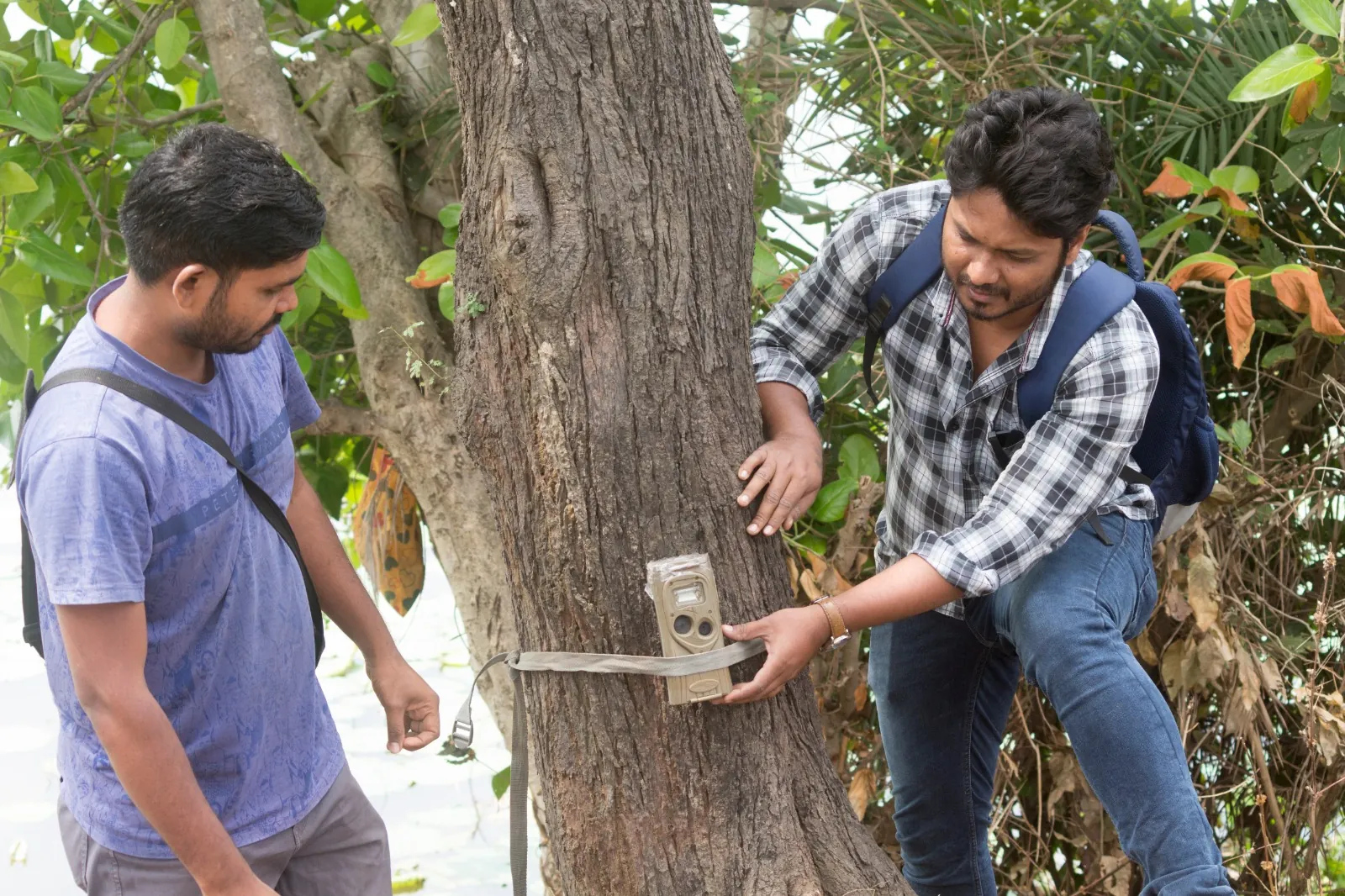
Environmental education
Encouraging young people to discover their local ecosystems through observation and thoughtful nature learning.
Nature walks, guided observation and locally relevant teaching materials can help young people understand wetlands and wildlife without disturbing sensitive habitats.
Conservation focus / programme direction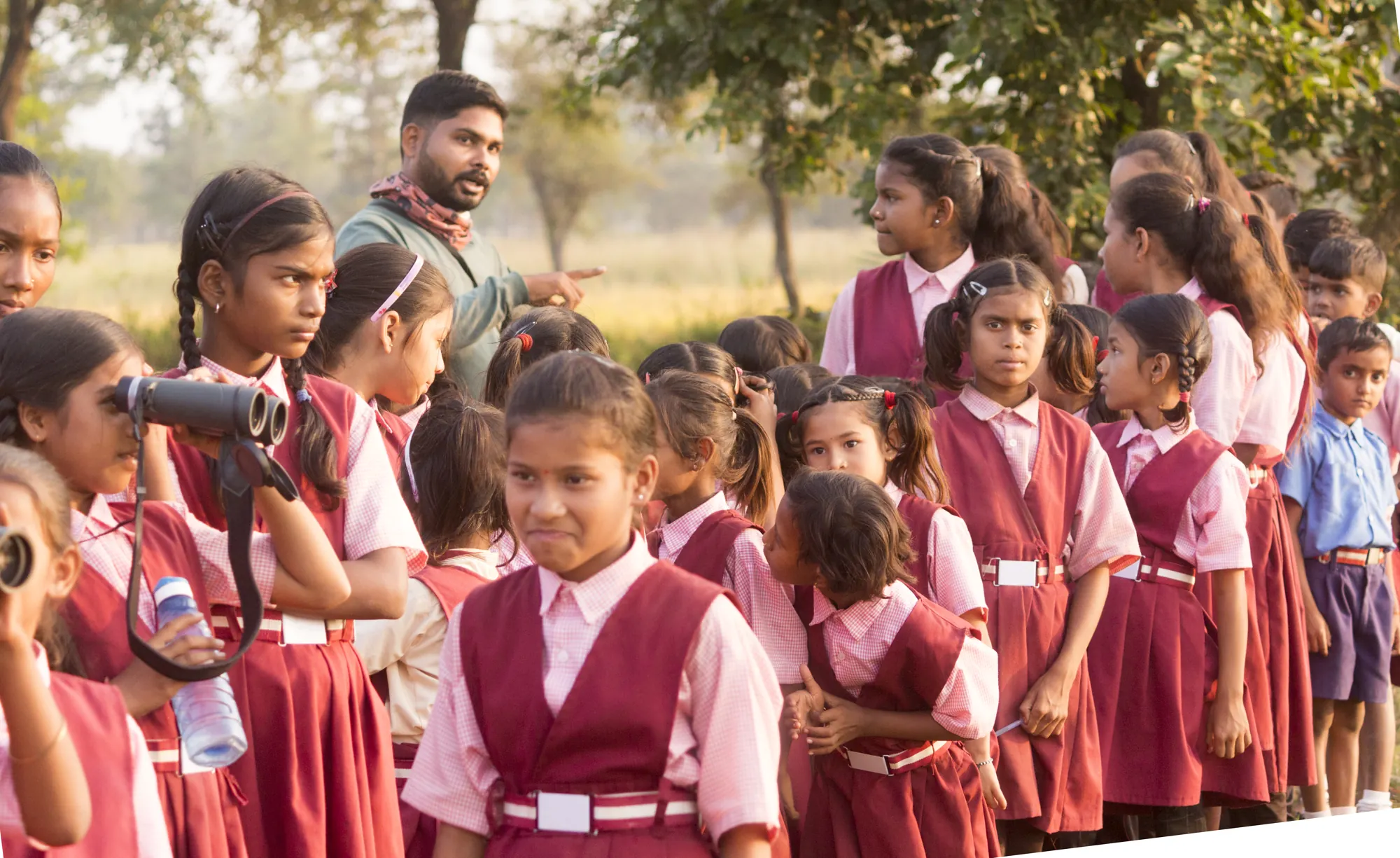
Nature-positive livelihoods
Exploring how farming, local livelihoods and biodiversity can be considered together in future programme design.
Exploring livelihood options means considering costs, skills, markets and environmental safeguards together, without assuming that every proposed activity will suit each village.
Conservation focus / programme direction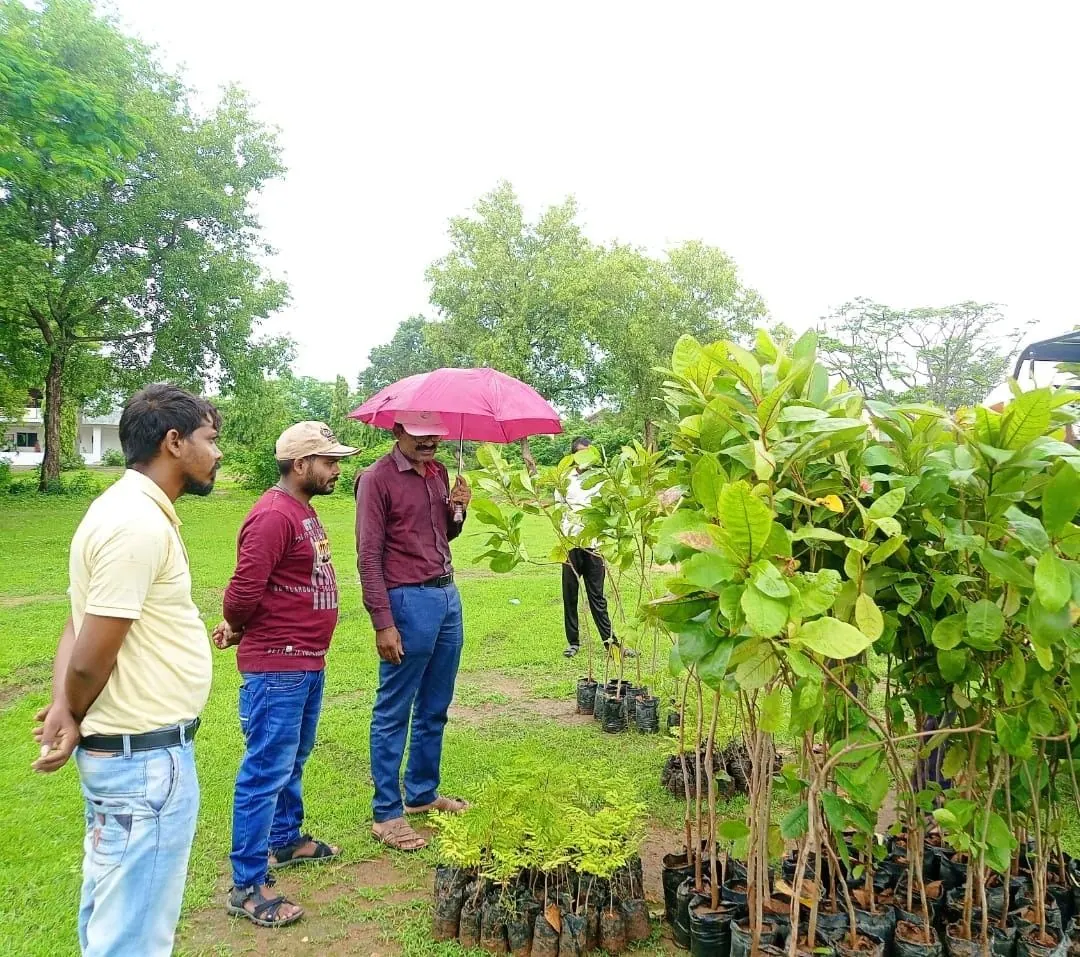
Human–wildlife coexistence
Promoting knowledge, safe behaviour and appropriate coordination with authorised agencies in forest-edge landscapes.
Community awareness and early communication can support safer decisions. Wildlife rescue or conflict response would remain under authorised agencies and trained personnel.
Conservation focus / programme direction