 Youth Eco Care
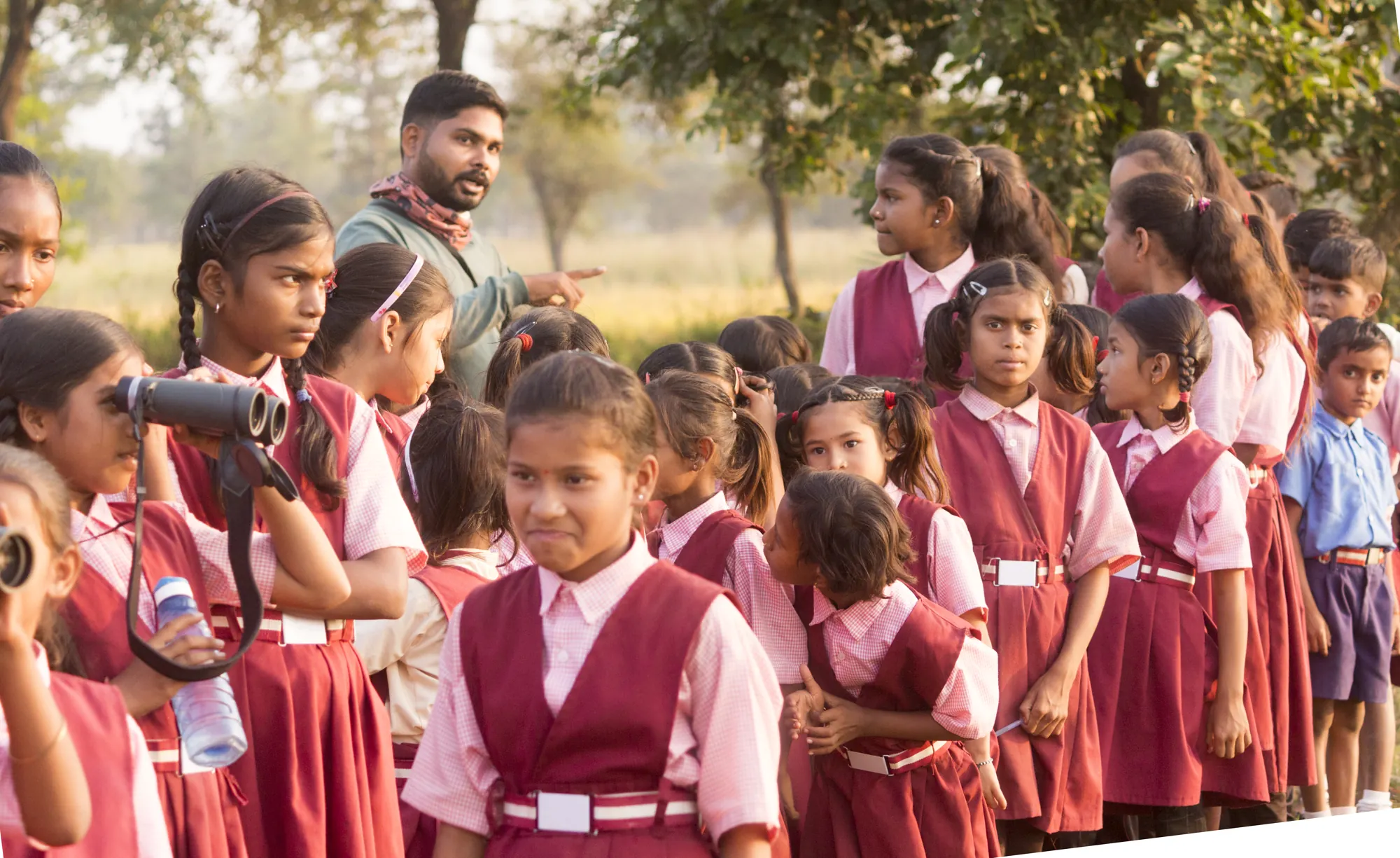
Sometimes curiosity begins with noticing a bird outside the classroom.
Field-based learning can introduce young people to local wildlife, food webs, wetland habitats and the relationship between people and nature.
A nature walk or birdwatching session is valuable not because every participant will become a conservationist, but because observation and questions offer a way to understand the world around them.
What conservation asks of us
The Sanctuary Nature Foundation-supported Mud on Boots report records earlier school activities including birdwatching, drawing and ecological games. Those activities were part of the earlier project led by Shashank Ladekar and Kanhaiyalal Udapure.
Youth Eco Care includes environmental education among its organisational priorities. Future learning programmes should be communicated as such until their implementation is documented.