 Youth Eco Care
The absence of a sighting is not proof that wildlife is absent.
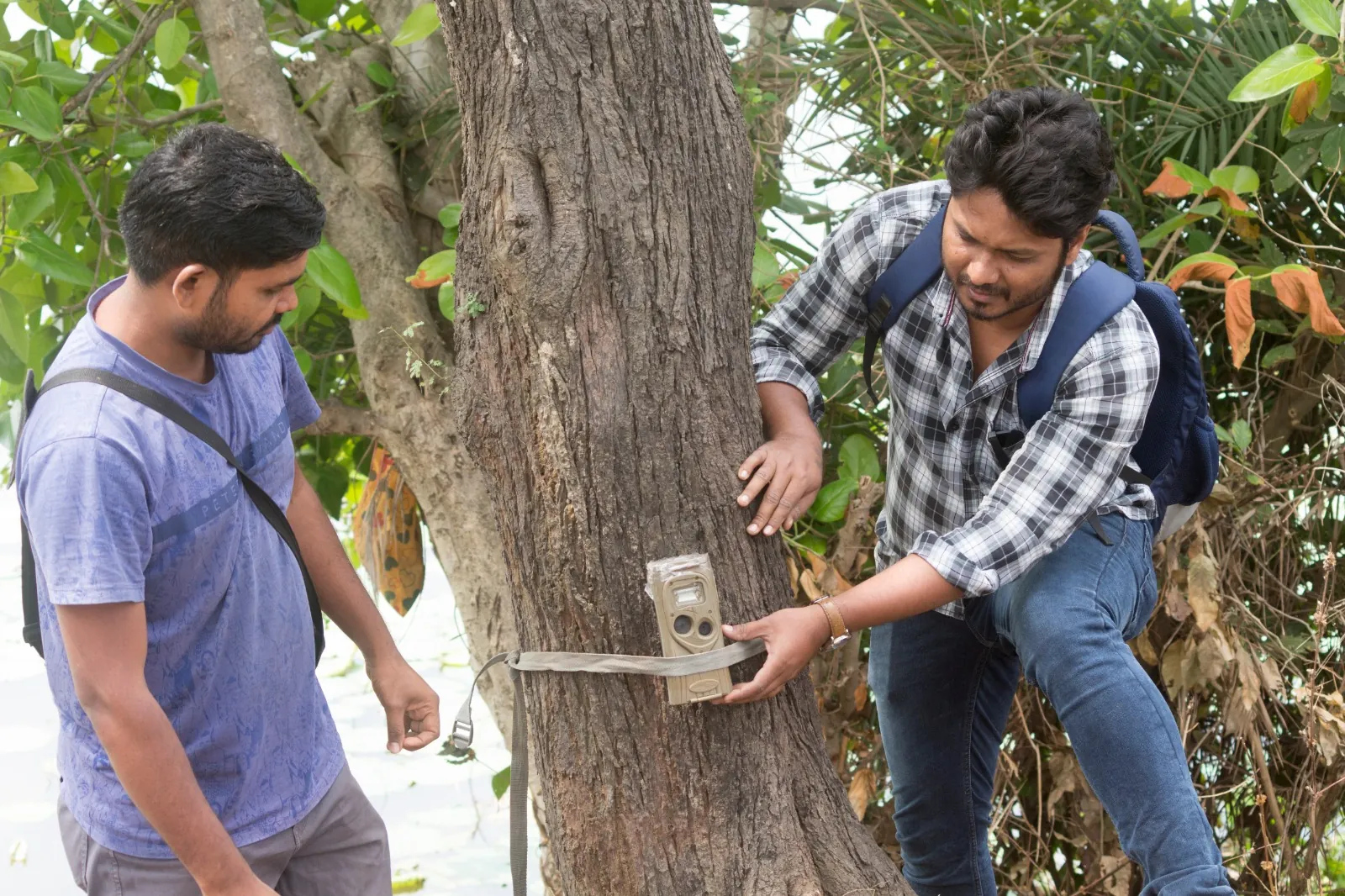
Some mammals are secretive, nocturnal or difficult to observe directly. Camera traps can help document wildlife presence with less need for a researcher to stand at the same point for long periods.
A camera-trap image can show that an animal passed a location when the image was recorded. It cannot, on its own, determine the size or health of a local population. Those questions require appropriate sampling and analysis.
What conservation asks of us
Kanhaiyalal Udapure’s CV and the historical Mud on Boots report describe camera-trap work in the wider Gondia landscape. That experience should not be misrepresented as completed Youth Eco Care fieldwork.
Scientific tools are most useful when their limitations are as clearly understood as their possibilities.
This article is educational. It does not report a new Youth Eco Care project, species count or independently verified conservation result.